 3PM London (BST) / 10AM New York (EDT) / 7AM California (PDT)
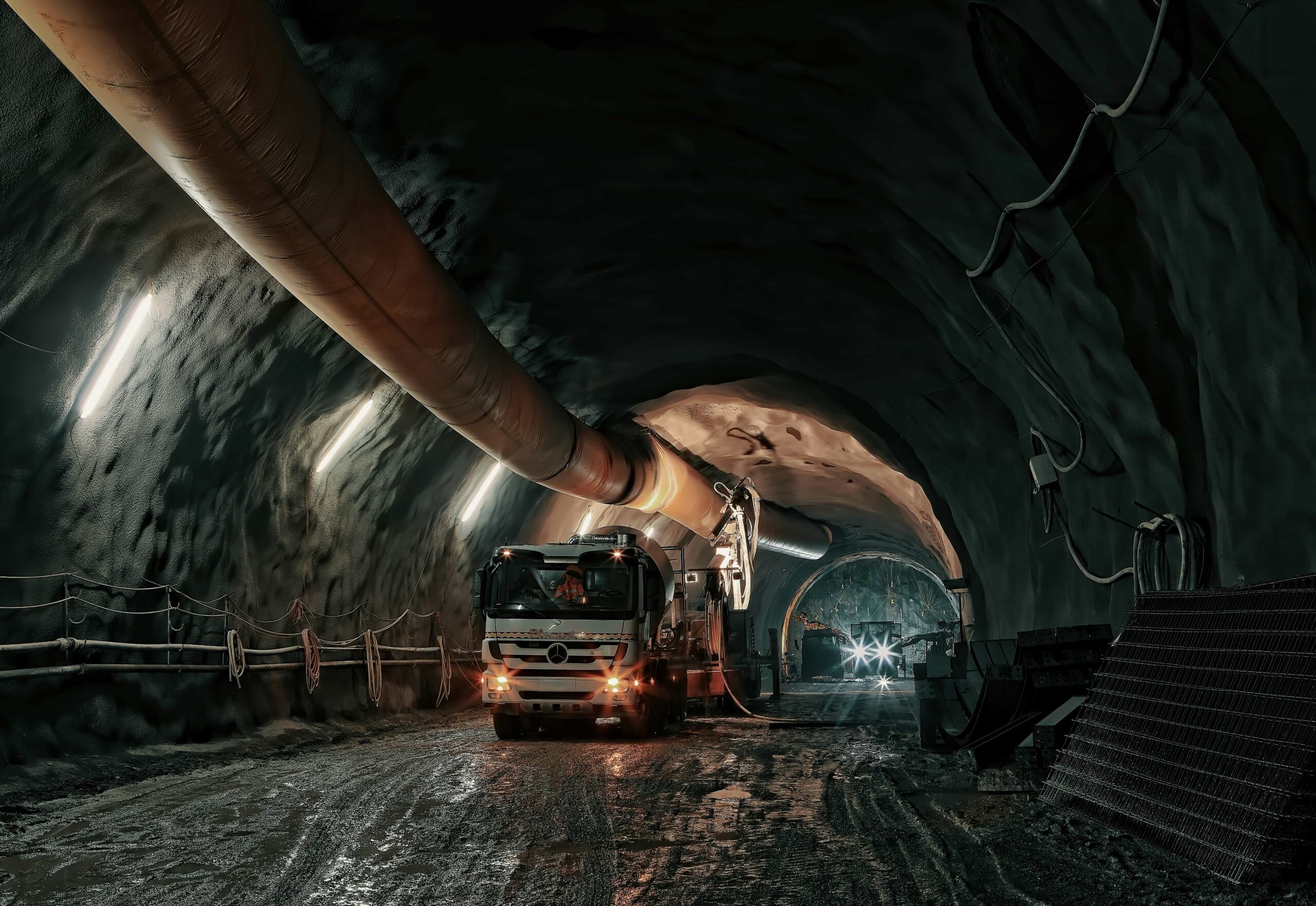
Underground mines still operate with critical visibility gaps—driving collision risk, delayed response, and costly downtime. As operations grow more complex, legacy tracking systems are no longer enough.
Join this executive fireside chat to learn how 5G is changing that.
What you’ll learn:
- Real-time visibility of people, vehicles, and assets underground
- How to improve safety with proximity detection and situational awareness
- Using live location data to optimize fleets and workflows
- Scaling from pilot to production deployments
- Building a foundation for automation and analytics
Why this matters now
Mining operations are becoming more complex, but visibility is not keeping pace.
Organizations that delay modernization risk:
- Higher safety exposure
- Slower incident response
- Competitive disadvantage vs. digitally advanced peers
The gap is widening.
Reserve your seat
 Back
Back