 3pm London 10am New York
Across the built environment, organisations are under mounting pressure to meet net-zero targets while ensuring safe, healthy, and cost-efficient operations. Yet most facilities still operate with fragmented data, disconnected systems, and limited visibility into real-world performance. This challenge is amplified in highly complex buildings like those designed to Passivhaus standards, where even small deviations can significantly impact energy performance, occupant comfort, and compliance. Studies show that poor data integration and disconnected systems drive up to 50% maintenance inefficiency, while operators struggle to access reliable information for decision-making. Without a continuous, data-driven approach, achieving net-zero ambitions becomes reactive, costly, and uncertain.
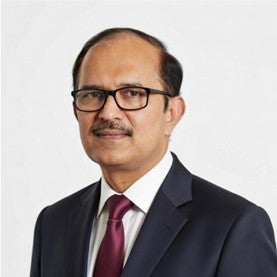
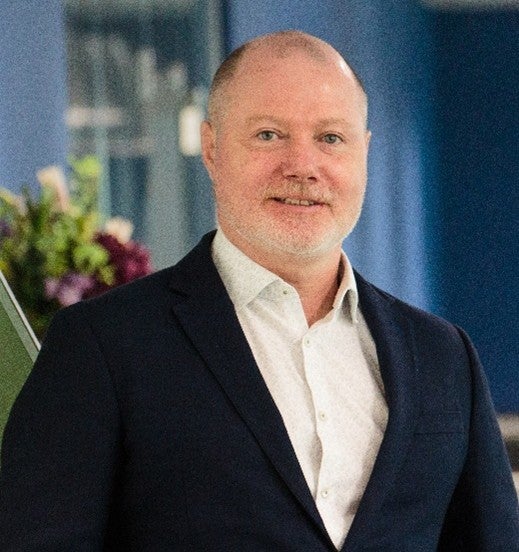
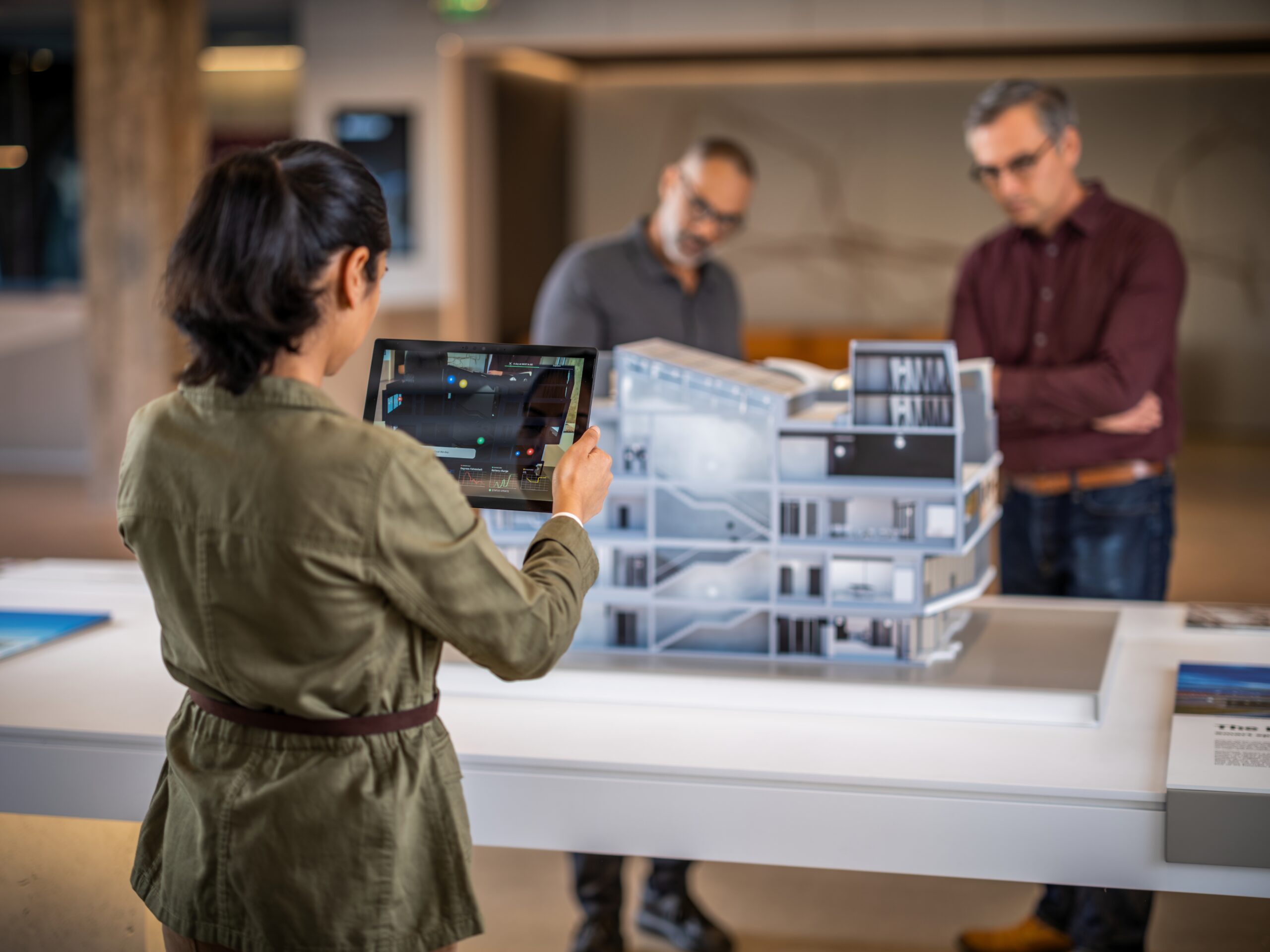
In this session, Siva Koppula (Autodesk Tandem) and Garry Fannon (BAM) explore how digital twins are transforming operational performance using the Dunfermline Learning Campus—the UK’s largest Passivhaus education building—as a real-world example. You will learn how digital twins unify 3D data with operational and maintenance data coming from live and traditional systems (BIM, CAFM, IoT and BMS) into a single source of truth, enabling near real-time monitoring, predictive insights, and performance optimisation. The session will demonstrate how teams can:
1. Establish accurate energy and carbon baselines
2. Improve operational decision-making through live dashboards and asset intelligence
3. Transition from reactive to proactive facilities management using connected data
At Dunfermline, this approach enables operators to monitor indoor air quality, optimise energy usage, and manage a highly complex environment supporting more than 2,700 occupants.
Don’t miss this opportunity to bridge the gap between project delivery and operations and unlock more value from your asset data. Register now to secure your spot and take the first step toward modernising your operations with digital twins.
By the end of this webinar, participants will be able to:
- Understand how Autodesk Tandem digital twin enable net-zero strategies by establishing accurate energy baselines and supporting continuous optimisation of building performance.
- Evaluate how digital twins close the performance gap in Passivhaus buildings by comparing near real-time operational data with design intent and identifying inefficiencies.
- Identify practical use cases for digital twins in education facilities, including energy monitoring, indoor air quality management, predictive maintenance, and sustainability reporting.
 Back
Back