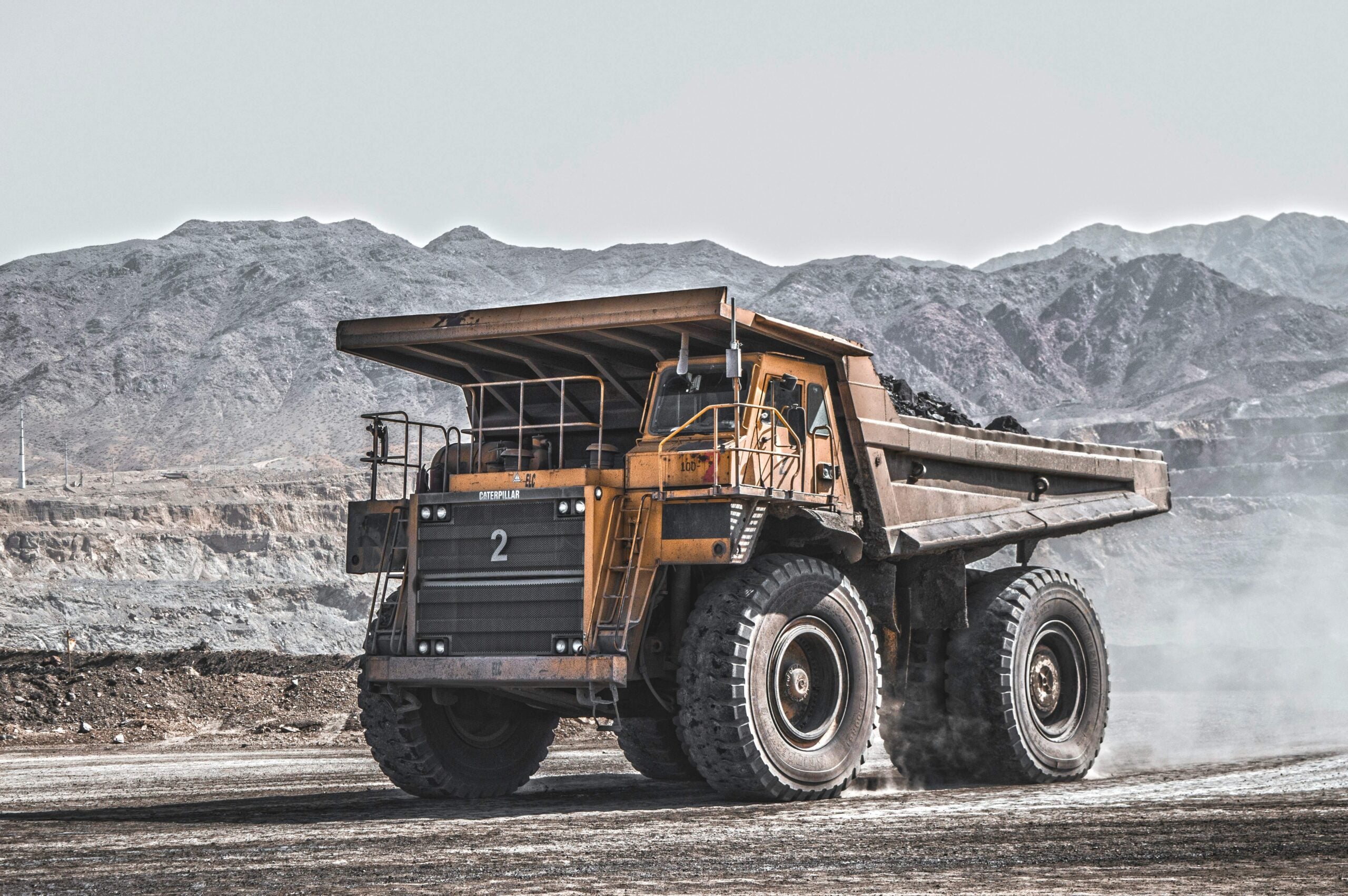



The practical challenge is that mines are high-energy, high-utilisation, long-life operations. Haul trucks run 16–18 hours a day, processing plants consume enormous power, and assets stay in service for decades.
Diesel has very high energy density and fast refuelling — so any alternative has to compete on uptime, not just emissions.
On top of that, many mines are remote and off-grid. Electrifying equipment means redesigning the entire power backbone — generation, storage, charging infrastructure — not just replacing engines.
So the real challenge isn’t technology availability, it’s integrating new energy systems into capital-intensive operations without compromising safety, productivity or cost per tonne.
So, what then are the key opportunities for operators to lower lifecycle GHG emissions from mining operations? And what are some practical actions the industry can take?
Hear from Andy Hattersley, Senior Global Product Advisor for ExxonMobil and Julian Soles, who has extensive sector experience from his work with FLSmidth, Anglo and First Mode, in a one-off podcast hosted by Exxon Mobil on 21 April. The discussion will explore how mining companies are adapting to the energy transition, key barriers to reducing emissions and practical steps to take the industry into a low-carbon future. Veteran mining podcast host Rob Tyson will moderate.
Learning objectives:
- Barriers to progress in reducing GHG emissions in mining.
- Choices and pathways operators are exploring to reduce emissions while optimising productivity.
- The anticipated energy mix of the mining haul fleet of 2040.
- Practical steps mining operators can take this year to shift their businesses into a cleaner future.
 Back
Back