
Archives: Speakers
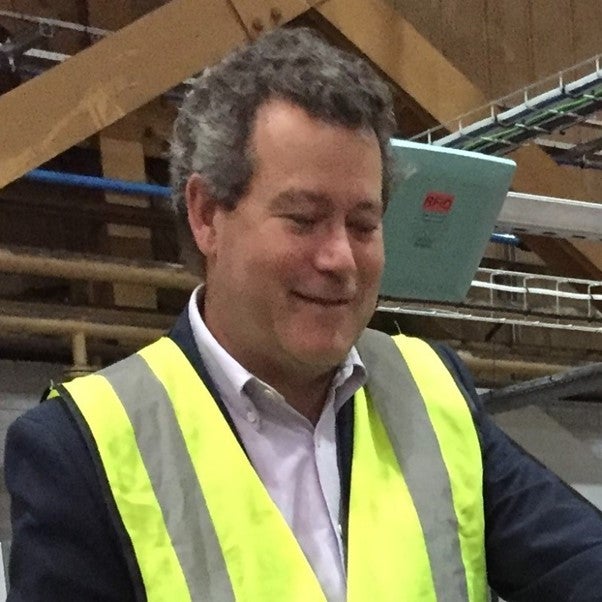
Shalou Barth

I have always had a strong entrepreneurial spirit, which is evident in the roles, responsibilities and adventures I have taken on in my career. At large companies, I have sought out intrapreneurial opportunities and in smaller companies and start-ups I have risen to leadership roles with a mission to achieve smart, cost-effective, rapid growth.
Bringing new products and services to market is my passion. My most recent pursuits have been in real estate development, start-up ventures, meaningful collaborations, and hospitality.
Christian Maraldo

My passion for food-tech paired with 4+ years of experience in the 3rd party delivery world has lead me to my current position at Ghost Kitchen Brands. With exciting partnerships forming every week, I enjoy learning about new products, services, and brands that are open to collaborate with us to grow together.
My past roles were spread across a number of industries including tech, food and beverage, medical devices, and even a short stint as a semi-professional athlete. I am grateful for every opportunity that I’ve had, and look forward to the journey that’s ahead of me.
Paul Nemitz
Graham Baiston
Carol Pitcher-Towner
Alun Bedding
David Collier

Manoj Prahladan
Marc Lisi

Marc has spent his entire career in the eClinical technologies space, with most of that time focused in the area of IRT. Having spent years on the client services side, Marc has worked with 7 of the top 10 pharmaceutical companies and 6 of the top 7 CROs to design, implement, and maintain IRT solutions across a variety of therapeutic areas. As a Co-founder and Director of Business Development at Suvoda, Marc uses his IRT subject matter expertise to provide creative solutions to customers’ problems, all while growing Suvoda’s business globally. Marc enjoys creating long-lasting relationships with customers and colleagues and loves brokering introductions within his network. Marc is a graduate of Lafayette College with a degree in biochemistry and minor in music.