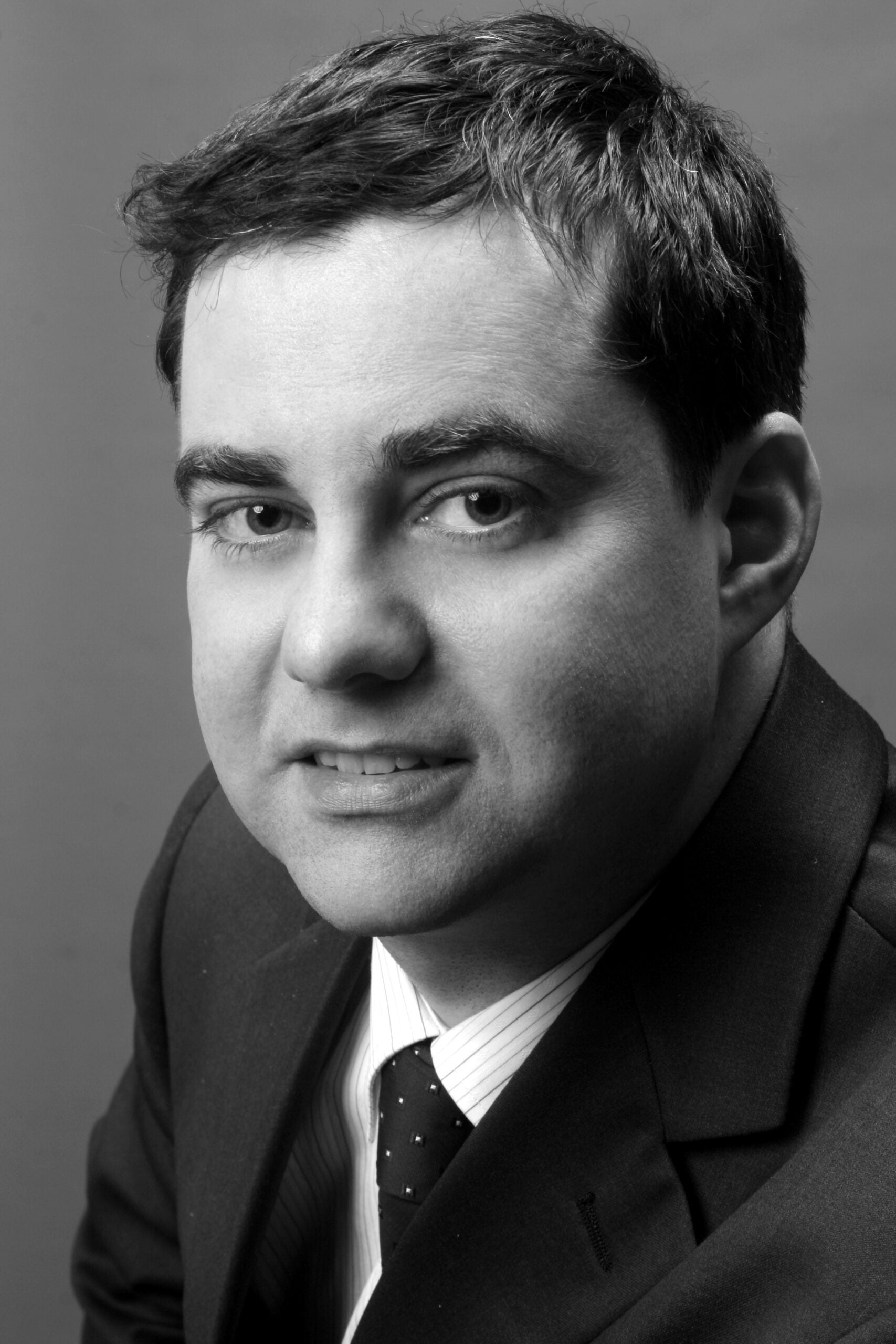
Jinesh co-founded Omnivore with Mark Kahn in 2010. Omnivore is a venture capital firm, based in India, which funds entrepreneurs building the future of agriculture and food systems. Omnivore pioneered agritech investing in India, backing over 20 startups since 2011, and currently manages INR 9.35 billion (approximately $130 million) across two funds. Every day, Omnivore portfolio companies drive agricultural prosperity and transform food systems across India, making farming more profitable, resilient, and sustainable.
Previously, he was Vice President and CFO at Nexus Venture Partners, one of India’s leading venture capital funds. Earlier in his career, Jinesh worked in corporate finance roles for Datamatics (leading Treasury/M&A), Patni Computers (initiating the IPO process), and HCL Technologies (founding the BPO business). He is a member of the IMC Chamber of Commerce and Industry’s Agriculture & Food Processing Committee. He is the executive committee member of Impact Investors Council and is also involved in World Economic Forum’s working group focused on agriculture. Jinesh is a Chartered Accountant with a B.Com from R A Poddar College and an MMS (Finance) from JBIMS.
Ben Schlatka joined Medidata in 2020 through Medidata’s acquisition of MC10’s Digital Biomarker Business. After beginning his career as a corporate “intraprenuer” at IBM, Ben grew a series of successful startups including including Volunteer Solutions.org (Sold to the United Way) and Nantero (Sold to Lockheed Martin). Most recently, Ben Schlatka was co-founder & CEO of MC10, a pioneer in sensors and new end point development in clinical research. Ben is passionate about using digital technologies to transform the lives of patients, in both clinical research and clinical practice. He holds an MBA from the Harvard Business School and frequently lectures on the formation of disruptive science based businesses.
Dr. Paola Agostini is a Lead Natural Resources Economist in the World Bank’s Europe and Central Asia Region-Environment, Natural Resources and Blue Economy Global Practice. Paola Agostini leads programs and projects in Central Asia that help to reverse land degradation, increase resilience of people, ecosystems and infrastructures; and works in the Black Sea region on a program to reduce pollution and increase resilience to climate change. Agostini is also coordinating the ECCA30 partnership for the World Bank with a special focus to restore 30 million hectares of degraded landscapes by 2030 in Europe, Caucasus and Central Asia.
Previously Doctor Agostini was the Global Lead for Forests, Landscapes and Ecosystems for the World Bank, looking at projects and programs that try to improve connectivity of Protected Areas, forests, agroforestry, Rangeland and agriculture land for the increase of productivity.
Paola Agostini coordinated TerrAfrica, a regional partnership program in over 26 Sub-Saharan countries that promotes Sustainable Land and Water Management to help reduce poverty, improve livelihoods, and encourage resilient landscapes development.
Paola Agostini also coordinated the multisectorial REDD+ Program in Africa (Reduced Emissions from Deforestation and Forest Degradation) supported by the Forest Carbon Partnership Facility, the Forest Investment Program and the BioCarbon Fund. REDD+ fosters conservation, sustainable management of forests, and community forestry by looking at the drivers of deforestation and working with public and private sector for a deforestation-free development. Paola Agostini was the coordinator for the GEF Program in Latin America and Africa, overseeing a portfolio of over 100 projects dealing with Climate Change, Biodiversity, Land Degradation, Chemicals and International Waters.
Paola Agostini holds a PhD in Economics from the University of California San Diego, and a Master of Art in Economic and Social Sciences from Universita Bocconi, Milan, Italy.
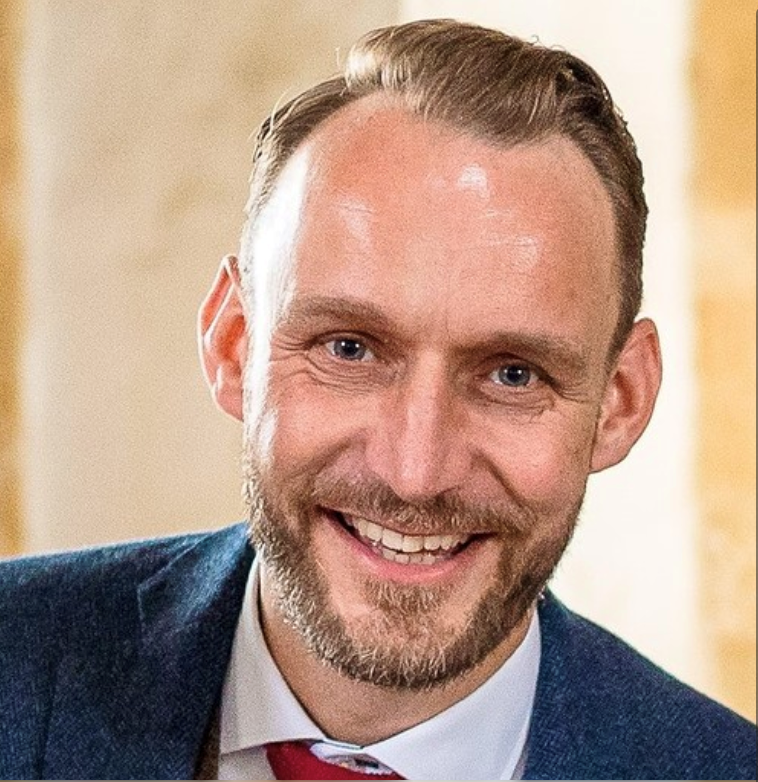
Ivo leads UNEP’s Climate Finance Unit (CFU), created in 2019 and with team members based in several UNEP offices across the world. CFU brings together various initiatives and finance facilities that aim to actively unlock public and especially private capital towards sustainable land use with positive impacts for the climate, nature and people. We aim to do so by demonstrating ‘proof-of-concept’ through on-the-ground investments, catalysing scale and ultimately making sustainable land use the ‘new norm’ through normative work. Examples of projects include:
• AGRI3 Fund, set up by Rabobank, UNEP, Mirova, Fount, Cardano, FMO and IDH), currently with USD 90 million in committed capital. It’s part of an effort to finance a USD 1 billion in loans to farmers and businesses that delivers nature & climate-positive commodity production. Initial transactions were closed in Dec 2020.
• Restoration Seed Capital Facility (RSCF) with committed funding of EUR 25 million, which cost-shares fund-, pipeline- and project development costs with private equity investors. In this way, the facility aims to unlock at least USD 170 million through the creation of more investment funds in the nascent restoration space and for more forest and landscape restoration projects to reach financial close
• &Green Fund; a novel blended fund that aims to finance sustainable agriculture, with ambitious commitments around forest protection and restoration. It has closed several innovate deals in rubber, palm oil and soy/cattle.
• Tropical Landscapes Finance Facility (set up by BNP Paribas, ADM Capital, UNEP, ICRAF) aims to provide long-term finance to sustainable landscape and rural renewable energy production in Indonesia. A novel, long-dated USD 95 million ‘landscape’ bond was issued for example.
Federico is an experienced Design Consultant based in Suvoda’s Barcelona office. Federico has designed and overseen the development of over 50 IRT builds in a variety of therapeutic areas such as oncology and rare diseases in all phases. With a focus on providing excellent service and collaboration, he has fostered meaningful partnerships with sponsors by delivering timely and efficient IRT solutions for complex clinical trials.
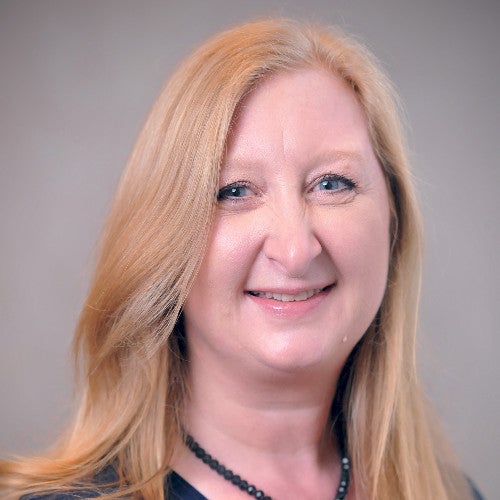
Fabienne is Head of Marketing at PEFC International. She leads the end-users and retailers engagement programme, promoting PEFC sustainable forestry Standards for supply chain traceability assurance. Managing a team of colleagues and consultants, Fabienne ensures that companies understand the importance of PEFC’s work and are equipped to report their own progress on sustainability targets. Previously, Fabienne worked for 15 years in the consumer goods industry in various marketing roles of brand management, category development and integrated communications in the UK and Geneva. She briefly worked as a consultant for the International Trade Centre part of WTO. She graduated from Nantes University in business management and further studied marketing in London with the Chartered Institute of Marketing. In 2020, Fabienne obtained a high pass from the Cambridge Institute for Sustainability Leadership for the Business Sustainability Management course.
Anna Gollmann is part of a team of Global Project Managers and Directors to define, develop and deploy innovative strategic supply chain solutions to increase efficiencies, reduce waste, improve patient access and reduce lead times for clinical supply provision and include programs such as Demand Led Services (DLS) and Direct to Patient (DTP).
She has worked in various clinical supplies roles for 14 years.